DC Talk ~ Good Christian Music Fan Page
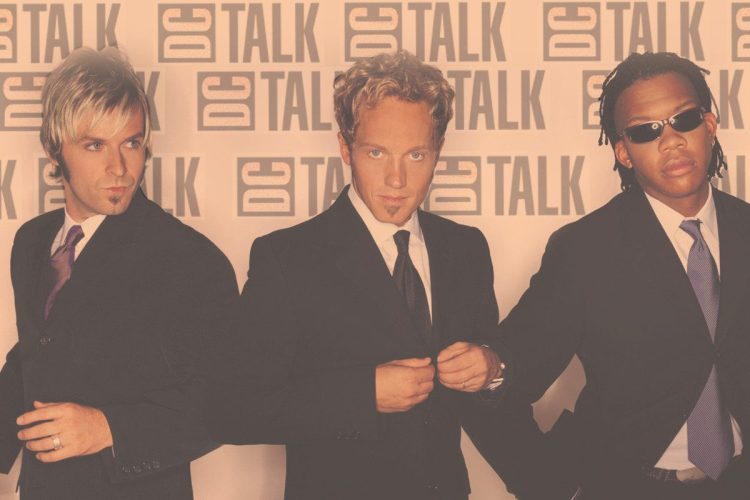
DC Talk Good Christian Music Fan Page Feature
DC Talk began as three students at Liberty University—Toby McKeehan (TobyMac), Michael Tait, and Kevin Max—who combined rap, rock, and unapologetic faith into a sound that shifted the landscape of Christian music. Their rise from campus fellowship to multi-platinum albums and wide cultural influence came through records like Nu Thang, Free at Last, Jesus Freak, and Supernatural, and through a conviction that honest faith could and should speak into the mainstream. That blend of theological boldness and musical risk made them, by many accounts, one of the most influential overtly Christian acts of their era. Their testimony is a testimony of creative courage—choosing truth over comfort, calling out justice and grace, and refusing to hide their faith behind muted tones. That witness still matters: their songs continue to be places where people wrestle honestly with fear, identity, reconciliation, and dependence on God.
“Jesus Freak” is the declaration song—the anthem for anyone willing to be set apart for Christ in a culture that pushes conformity. Its raw, urgent energy turns a personal vow into a communal anthem: being different isn’t shameful, it’s a witness. The song lands emotionally like a defiant prayer; it makes me feel both exposed and strangely liberated, as if stepping out of pretense into transparent confession. In spiritual practice it pushes me to ask, Where am I hiding my faith because of fear? Romans instructs this kind of life-offering: “I appeal to you therefore, brothers, by the mercies of God, to present your bodies as a living sacrifice, holy and acceptable to God, which is your spiritual worship. Do not be conformed to this world, but be transformed by the renewal of your mind” (Romans 12:1–2). That passage calls the same costly commitment the song rallies us to—a call to live visibly, to allow transformation to change how we think and act. When the chorus declares willingness to be known and labeled for the sake of Christ, the scripture echoes back: surrender the life you cling to and let God remake your heart. Practically, this looks like small, brave acts of faith—speaking truth in love, serving where it’s unpopular, or choosing integrity over applause—and the song gives us the courage to start.
“Between You and Me” lands in a quieter, tender space: reconciliation. At its core the song is about mending a broken bridge between people, about admitting wrongs and reaching out to heal. Its melody softens the edges of hard conversations and makes confession feel possible. When I listen, I feel hope threaded with humility; the track reminds me that relationships are worth the risk of vulnerability. Jesus taught that reconciliation is central to worship itself: “So if you are offering your gift at the altar and there remember that your brother has something against you, leave your gift there before the altar and go. First be reconciled to your brother, and then come and offer your gift” (Matthew 5:23–24). That directive values the labor of mending over ritual; DC Talk’s song does the same by turning apology and restoration into spiritual practice. The practical word here is simple: pursue peace proactively. The song moves us from regret to action—call, confess, listen, repair—and reminds us that repaired relationships reflect God’s reconciling work in us.
“What If I Stumble” is the vulnerable confession of a believer who knows failure is real but refuses to let it define their faith. It’s honest about doubts, missteps, and the fear that failing might unravel everything. That honesty is deeply relatable: believers who have disappointed themselves, others, or God find a voice here that says, “I am fragile, yet still seeking.” Emotionally the song gives permission to be imperfect and to keep pursuing God despite cracks in confidence. The New Testament holds that weakness is where grace shows up strongest: “But he said to me, ‘My grace is sufficient for you, for my power is made perfect in weakness.’ Therefore I will boast all the more gladly of my weaknesses, so that the power of Christ may rest upon me” (2 Corinthians 12:9). That scripture reframes failure not as finality but as the place where divine strength meets human frailty. The song and verse together encourage a posture of dependence—confessing the stumble and then receiving grace, letting God’s strength carry the next step rather than pretending to have it all together.
DC Talk’s catalog balances the gritty and the gracious—songs that provoke honest self-examination and songs that extend hope for repair and resilience. Their music invites listeners into a faith that’s unafraid to wrestle: to question, to fail, to repent, and to stand again on gospel ground. If these tracks resonate with you, let them be starting points: sing the truth out loud, make the hard call for reconciliation, and let confession become a doorway to God’s renewing work. Share these songs with someone who needs the courage to be open about faith, use them as a soundtrack for honest conversations, and let the Scriptures named here shape how you step forward—offering yourself, repairing ties, and trusting grace in the midst of weakness.
Click here to visit DC Talk website for more.
Like what you see? Explore more below—each image leads to a story of hope, healing, or joy